

Ever come home shivering, crank up the thermostat, but notice your furnace isn’t blowing hot air? Is it time to panic, or could the fix be simpler than you think? If your furnace is not blowing hot air, don’t fret – these issues are common, and many can be solved quickly with a bit of smart troubleshooting
Is Your Furnace Not Blowing Hot Air? Let’s Start Troubleshooting
When Your Furnace Is Not Blowing Hot Air – Should You Worry?
We’ll guide you through the first steps so you can move swiftly from, “Why is my furnace not blowing hot air?” to “Phew, the home’s warm again!”

What You’ll Learn: How to Fix a Furnace Not Blowing Hot Air
- Practical steps to diagnose your furnace not blowing hot air
- Key components that may cause your furnace not blowing hot problems
- Professional tips for fixing a furnace that’s not blowing hot air
- Proactive furnace maintenance to prevent future issues
Understanding the Problem: Why Is My Furnace Not Blowing Hot Air?
Common Signs Your Furnace Is Not Blowing Hot Air
- Furnace running but no heat output
- Thermostat shows correct setting but still furnace not blowing hot air
- Unusual noises from the furnace blowing mechanism
- Cold air from vents despite gas furnace operation
If you notice your furnace running but you’re only getting cold air, it’s time to diagnose.
Other indicators include your thermostat showing the right setting but still no warm air, strange noises coming from the blower motor, or – in the case of gas furnaces – hearing the fan but not feeling the hot air.
These hints help pinpoint whether the issue stems from a dirty air filter, gas supply interruption, pilot light malfunction, or a more complex component failure.
Immediate Checks for a Furnace Not Blowing Hot Air
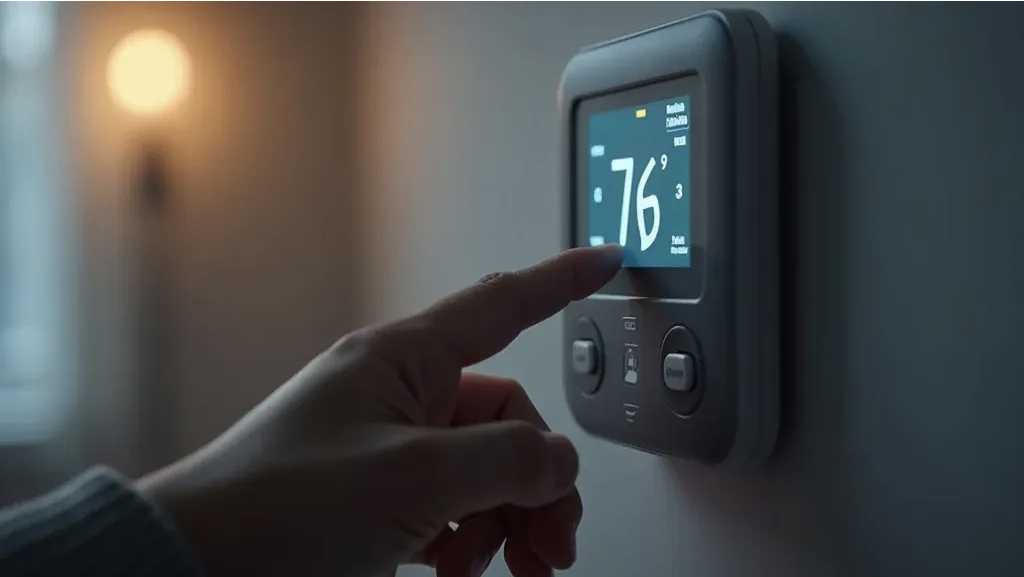
Check Your Thermostat Setting When Your Furnace Is Not Blowing Hot Air
The very first step in resolving the dreaded furnace not blowing hot air scenario is to check your thermostat setting.
Make sure the thermostat is set to heat and the temperature is set higher than the current room temperature.
Sometimes, settings can be changed accidentally or programmed schedules may override manual adjustments. If the thermostat is battery-powered, try changing the batteries.
A malfunctioning thermostat – whether through wiring issues, outdated programming, or dead batteries remains one of the most common reasons a furnace blows cold air.
Double-check that the fan is not set to on all the time, as this may circulate cool air when the system is not actively heating.
It’s also wise to ensure the thermostat itself is working. Place your hand near a vent and listen for your furnace turning on.
Verify the devices display panel – if it’s blank or flashing an error code, consult the user manual. By starting with these simple diagnostic checks, you frequently solve the problem or at least rule out one of the leading culprits of furnace not blowing hot air.
If all is as it should be, yet your furnace is not blowing warm air, read on for the next troubleshooting steps.
Air Filter Issues: Could a Dirty Air Filter Stop Hot Air?
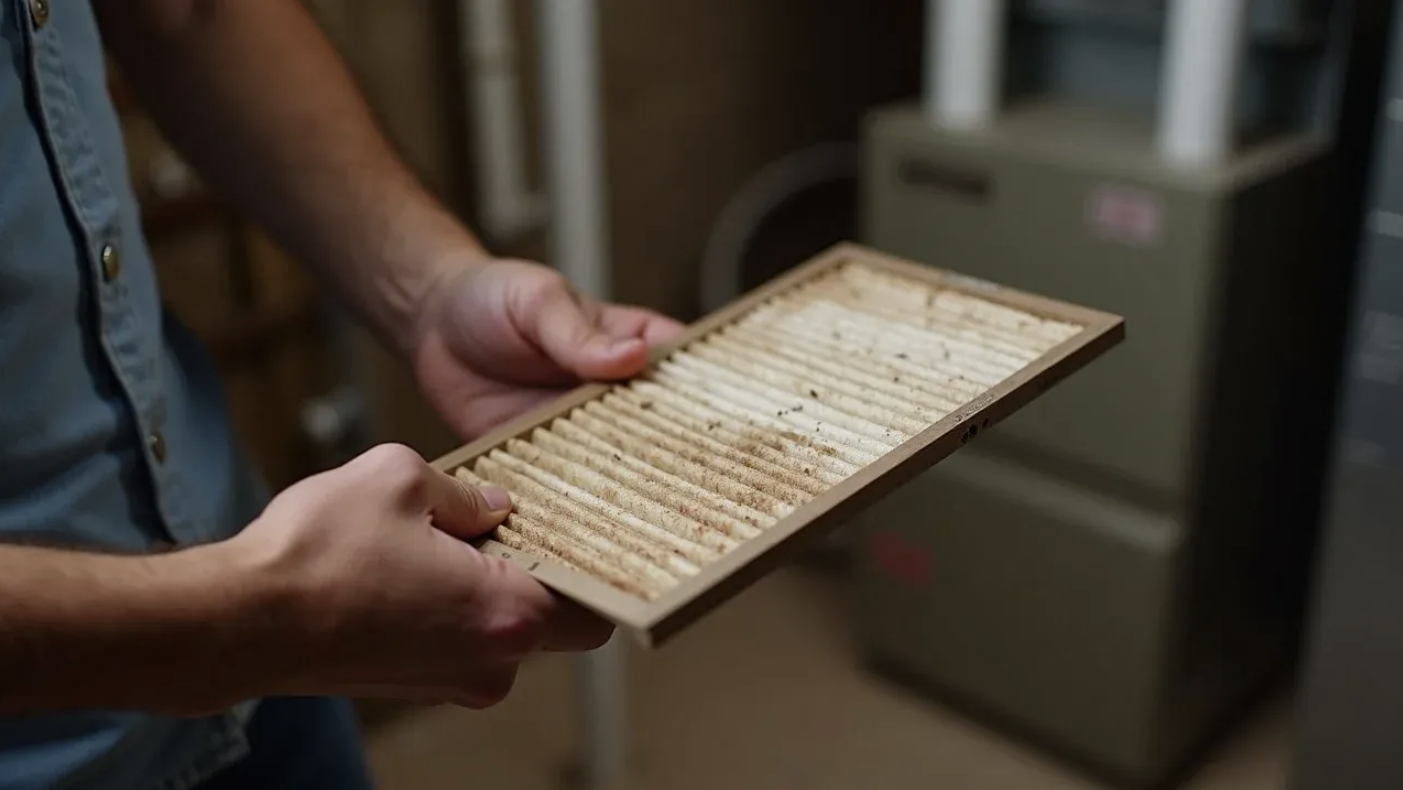
One of the most overlooked causes of a furnace not blowing hot air is a dirty air filter. When air filters become clogged with dust and debris, airflow is significantly reduced, which means your furnace can overheat and activate a safety limit switch.
This automatic response causes the system to blow only cold air or even shut down completely. Dirty air filters also force your blower motor and other components to work harder, increasing wear and risking more expensive repairs over time.
Replacing the air filter is simple, but its impact on restoring hot air and protecting your gas furnace cannot be overstated.
To check, find the filter slot – usually near the blower compartment. Slide out the old filter and hold it up to the light; if you can barely see through it, it’s past time for a replacement.
Regular replacement, typically every 3 months during heating season, prevents cold air from circulating, keeps your home warm, and reduces strain on your HVAC system.
If the filter was clogged, popping in a new one could have your furnace blowing hot air again within minutes.
Key Components to Inspect When Furnace Is Not Blowing Hot Air
Gas Supply: Is Your Gas Furnace Getting Fuel?
If you’ve ruled out thermostat and air filter issues, the next likely suspect is the gas supply – especially for gas furnace systems.
Check to ensure the gas valve supplying your furnace is open and the gas line itself is not blocked or interrupted.
Often, utility work or a recent repair can lead to the gas valve being closed unintentionally. If theres no gas supply, theres no ignition – and consequently, no hot air.
Additionally, verify you’re current on utility payments to rule out service disconnection as a root cause of furnace not blowing hot air.
Listen for the sounds of ignition. If the gas supply is interrupted, you may hear the furnace attempt to start, but you’ll get nothing but cool or cold air.
Be sure to inspect the area for any signs of a gas smell – if you detect it, shut everything down and contact your utility company or call us here at Air Design Heating at (385) 332-8200 immediately.
With a fully-functioning gas supply, your furnace should reliably generate hot air, assuming the following components are also performing as expected.
Pilot Light and Flame Sensor Troubles in Gas Furnaces
For older gas furnaces, the pilot light is a tiny flame that ignites the burners. If the pilot light goes out or cannot stay lit, your furnace may blow cold air or not run at all.
Newer models rely on a flame sensor that detects if the burner is properly lit; if this flame sensor is dirty or malfunctioning, the furnace safety system may prevent it from blowing hot air.
Cleaning the flame sensor with a soft cloth and restoring a steady pilot light can often fix a furnace not blowing hot air, but if you’re unsure, call us to help you with some safe troubleshooting steps.
Keep in mind, a flame sensor caked in soot or a pilot light blocked by dirt interrupts the ignition sequence. Your furnace might start up, then quickly shut off, leaving your rooms filled with cold air.
Routine inspection and careful cleaning of these components reduce the risk of sudden heat loss – and help extend the life of your gas furnace.
Blower Motor and Limit Switch: Are These Affecting Hot Air?
The blower motor is what physically moves warm air through a homes ductwork. If this component malfunctions, you’ll feel no airflow or notice that your system is blowing only cool air.
Sometimes, the limit switch – a safety control – will shut down the furnace’s ability to blow hot air if overheating or restricted airflow is detected. This is often a backup response to other problems, like a dirty air filter or a blocked vent.
To check the blower motor, listen for persistent humming, grinding sounds, or silence where there should be airflow.
For the limit switch, a furnace that cycles on and off rapidly or shuts off altogether may be a clue. Blower motors and limit switches can fail with age, but regular furnace maintenance can catch issues before your furnace stops blowing hot air entirely.
| Quick Reference – Furnace Not Blowing Hot Air Components, Symptoms, and Solutions | ||
|---|---|---|
| Component | Symptom | Solution |
| Thermostat | Incorrect temp/heat call | Recalibrate or replace |
| Air Filter | Reduced/no airflow, blowing cold | Replace filter |
| Gas Supply | No ignition, no flame | Restore gas flow |
| Pilot Light | Won’t stay lit | Clean/adjust light |
| Flame Sensor | Short cycles, no heat | Clean/replace sensor |
| Blower Motor | No airflow | Inspect motor |
| Limit Switch | Furnace shuts off | Replace switch |
“A furnace not blowing hot air can often be traced to simple issues like thermostat settings or a dirty air filter, but it’s crucial to understand when to call for expert help.” — Air Design Heating HVAC Expert
Essential Steps to Fix a Furnace Not Blowing Hot Air
- Set thermostat to ‘heat’ and verify temperature
- Replace or clean furnace air filter
- Ensure gas supply to gas furnace is active
- Inspect the pilot light and clean if needed
- Clean or replace the flame sensor
- Check blower motor for proper function
- Test and, if necessary, replace the limit switch
Each step prioritizes quick wins – starting with simple thermostat and filter checks, then moving through basic visual inspection of airflow and ignition components.
If these don’t solve the problem, advanced checks like cleaning sensors and evaluating the blower motor and limit switch may require a professional HVAC technician.
Don’t hesitate to call us here at Air Design in Salt Lake City, we are here to help you. Prompt attention minimizes damage and ensures you restore hot air efficiently.
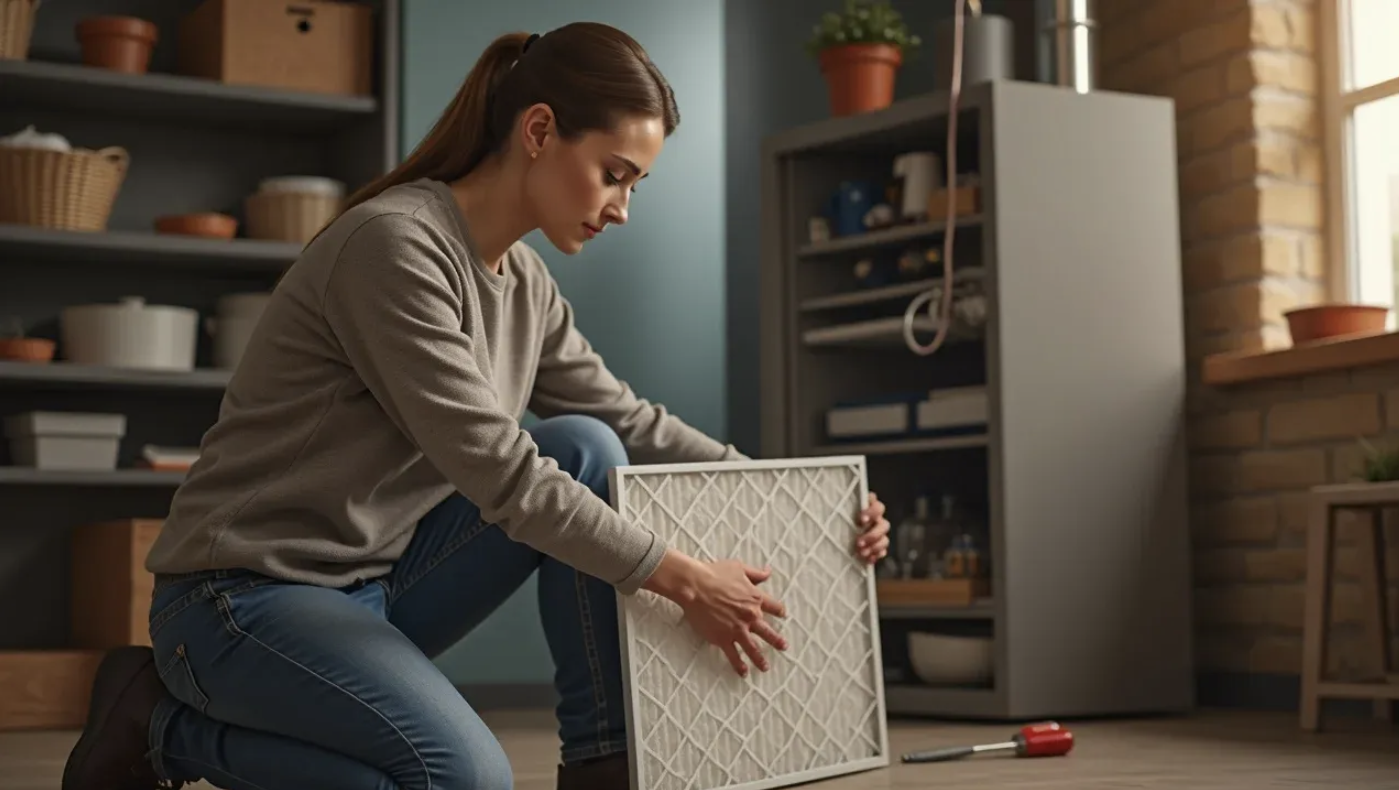
Immediate Checks for a Furnace Not Blowing Hot Air
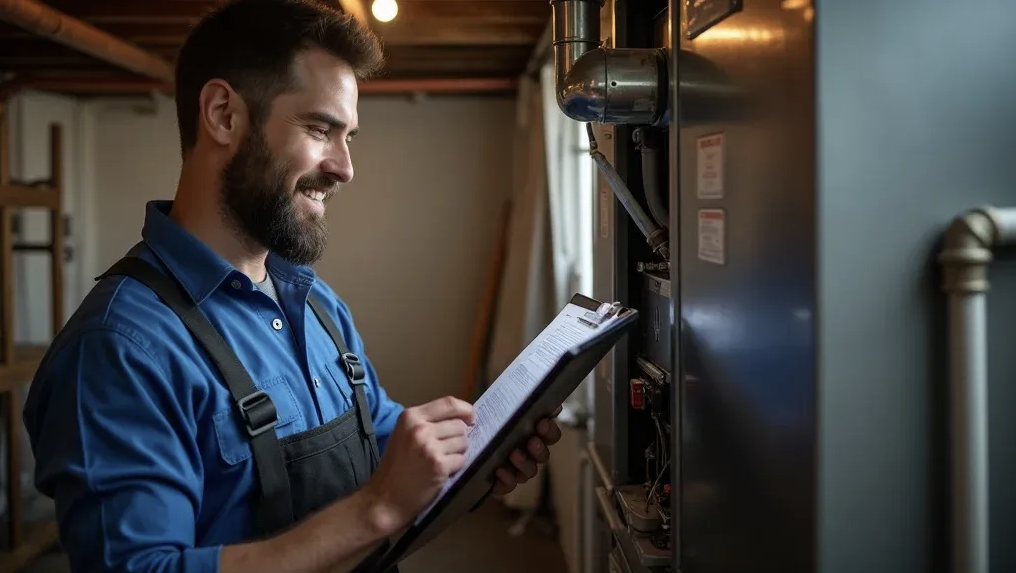
- Regularly replace air filters
- Schedule annual furnace maintenance
- Keep vents and furnace area clear
- Monitor thermostat performance
- Check gas supply and connections periodically
Routine and proactive furnace maintenance is critical for preventing surprises like your furnace not blowing hot air.
Changing air filters monthly or quarterly, scheduling annual check-ups by one of our professional HVAC technicians, and keeping vents unobstructed go a long way toward reliable, efficient heating. We have annual maintenance and service plans to make it easy for you. SEE OUR SERVICE PLANS HERE.
Monitoring your thermostat for predictable operation and inspecting gas supply and lines ensure your furnace is always ready to deliver hot air when you need it.
Neglecting these basics leads to more frequent breakdowns, so make preventative maintenance a priority, especially before winter sets in.
People Also Ask: Common Questions About Furnace Not Blowing Hot Air
Why is my furnace running but no heat?
Several reasons cause your furnace to run but provide no hot air. The most frequent issues are a clogged air filter impeding airflow, incorrect thermostat settings failing to trigger the heat cycle, ignition problems with gas supply or a faulty gas valve, and blower motor breakdowns.
Each can cause your furnace to blow cold air instead of warm air, so use the troubleshooting checklist above to pinpoint the source.
Why is my furnace not blowing hot air?
If your furnace is not blowing hot air, start with the basics double-check the thermostat is set to heat, inspect or replace a clogged air filter, confirm the pilot light and flame sensor are functioning, and make sure the gas supply is uninterrupted.
These steps often solve the furnace problem quickly, returning your home to cozy comfort.
What is the most expensive part to fix on a furnace?
The heat exchanger is typically the most expensive part to repair in a gas furnace, but other costly components include the blower motor and control boards if your furnace is not blowing hot air.
These repairs usually require a professional HVAC technician due to their complexity and safety considerations.
How do you reset a furnace that blows cold air?
Resetting a furnace that is blowing cold air is typically straightforward. Turn off the power at the breaker or the furnace switch, wait about 30 seconds, then restore power.
Always refer to your owner’s manual for model-specific reset steps, and consult a professional if problems persist after the reset.
Is a furnace blowing cold air dangerous?
A furnace blowing cold air is generally not dangerous but signals a malfunction. However, gas furnaces without ignition or with gas smells require urgent professional attention.
How can I tell if my furnace's limit switch is faulty?
If your furnace cycles on and off unexpectedly or shuts down before reaching the set temperature, the limit switch may be faulty and needs inspection or replacement.
Why does my gas furnace cycle on and off without blowing hot air?
This pattern can indicate problems with the flame sensor, dirty air filters, or overheating. Maintenance and cleaning often resolve it, but persistent faults may need professional service.
Key Takeaways: Dealing With a Furnace Not Blowing Hot Air
- Act promptly if your furnace is not blowing hot air
- Routine furnace maintenance helps prevent hot air issues
- DIY troubleshooting saves time, but certain repairs require professionals
- Know when to call for specialized support
If you’re ready to take your home comfort to the next level, don’t stop at just fixing the immediate problem.
Explore our comprehensive HVAC FAQ resource for answers to common heating and cooling questions, expert advice, and tips that go beyond the basics.
Whether you’re curious about advanced furnace care, energy-saving strategies, or want to be prepared for any season, you’ll find valuable insights to keep your system running smoothly.
Empower yourself with knowledge and enjoy peace of mind all year long by staying informed and proactive about your home’s heating needs.